
1. Linguistic & Cosmic Design (한글 창제의 역사·철학적 원리)
Created by King Sejong the Great in 1443 and promulgated in 1446 under the original name Hunminjeongeum ("The Correct Sounds for Instructing the People"), Hangeul represents a pinnacle of conscious linguistic engineering. While most scripts evolved gradually over centuries, Hangeul was deliberately created by a royal commission to resolve a massive social literacy gap.
The Neo-Confucian Cosmology of Vowels
Hangeul vowels are based on three fundamental representations of the Neo-Confucian universe (삼재, Samjae):
- Heaven (ㆍ, Cheon): A circular dot representing the sun/sky, carrying Yang energy. (Now deprecated as a standalone vowel but preserved in the structure of ㅗ, ㅏ, etc.)
- Earth (ㅡ, Ji): A flat horizontal line representing the earth, carrying Yin energy.
- Human (ㅣ, In): A vertical standing line representing humans, acting as the neutral mediator.
By combining these three elements (e.g., placing the dot above or below the earth line, or to the left or right of the human line), King Sejong generated the basic vowels ㅗ, ㅜ, ㅏ, ㅓ, which represent Yin/Yang balance in nature.
The Featural Alphabet Concept
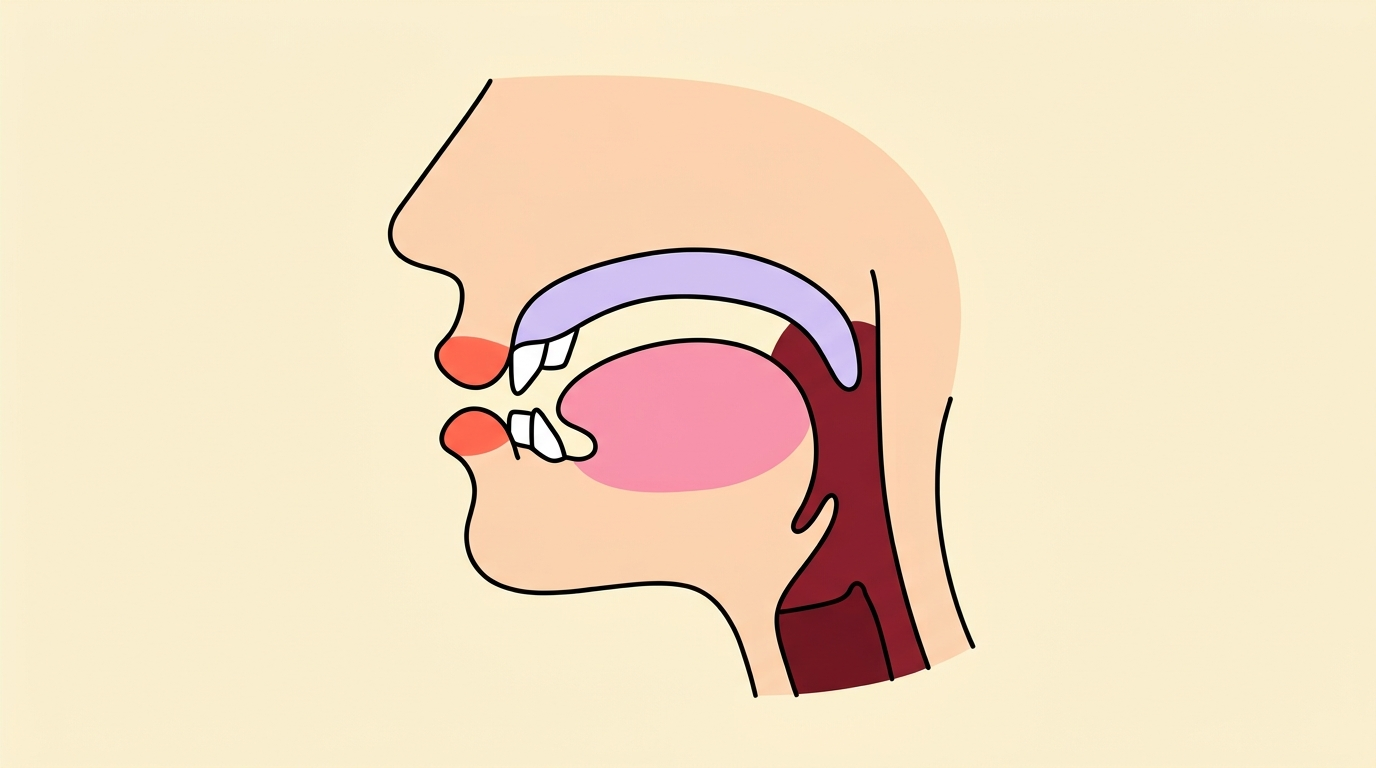
Unlike standard alphabets (like Roman or Greek) where character shapes are arbitrary, Hangeul is a featural alphabet. The visual structures of Hangeul consonants represent the anatomical position of the speech organs when producing them. Visual complexity directly corresponds to phonetic features (such as voicing, tensing, and aspiration).
2. Consonant Obstruents & Articulation (자음 조음론과 3중 체계)
Korean consonants are organized by their place of articulation and phonetic strength. The consonants are notable for their three-way distinction among stop sounds, which does not exist in English.
The 5 Basic Articulation Touchpoints
Hangeul Consonants are built upon five core shapes that mimic speech organs:
- Velar (牙音 - ㄱ): Mimics the tongue root closing the throat.
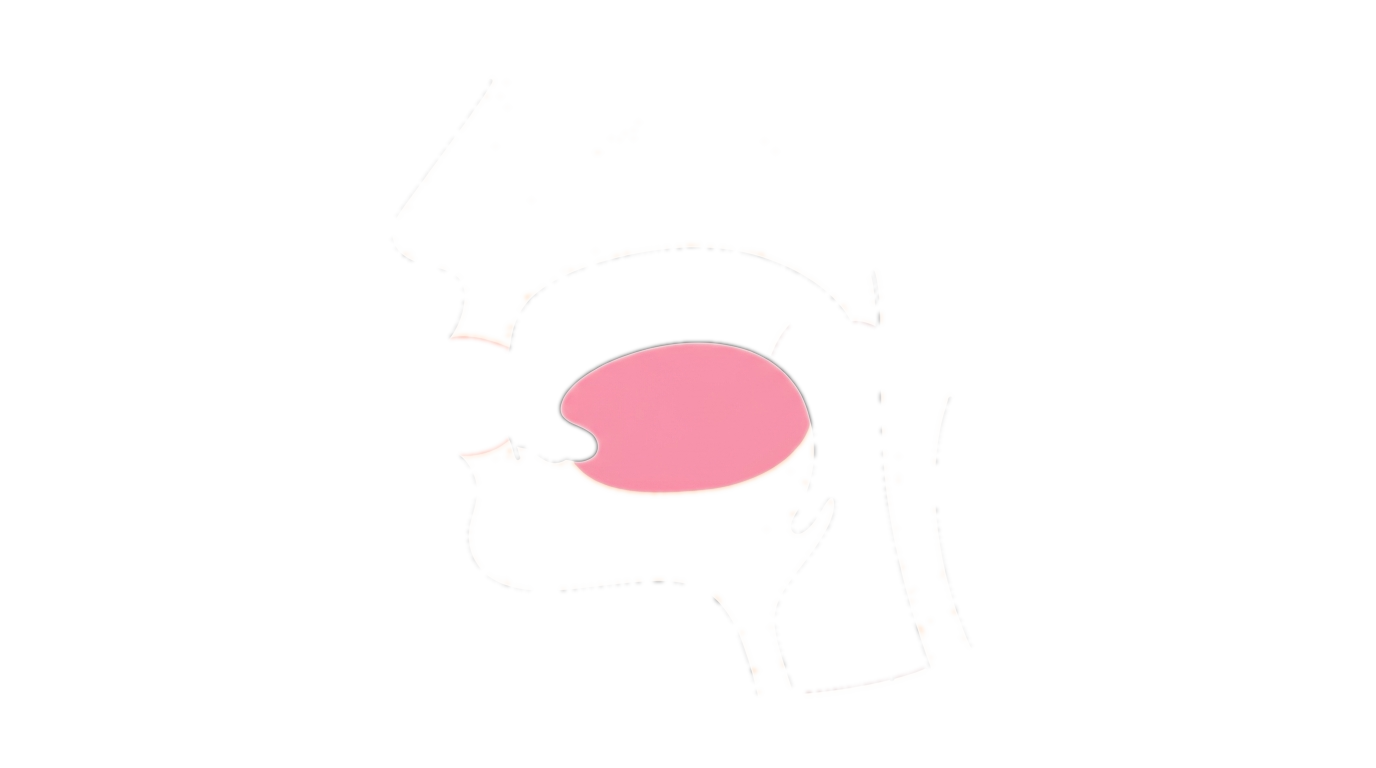
- Alveolar (舌音 - ㄴ): Mimics the tongue tip touching the upper gums.
- Bilabial (唇音 - ㅁ): Mimics the shape of the closed lips.
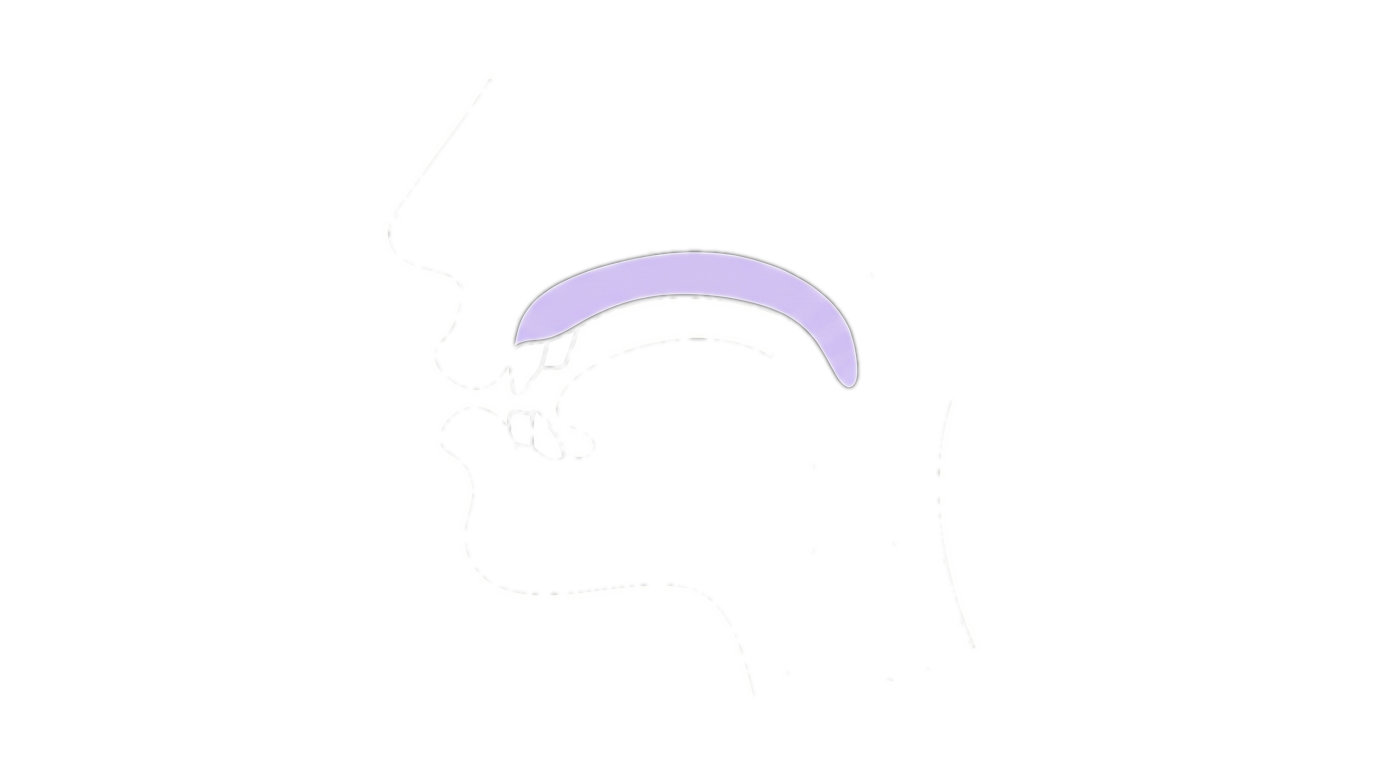
- Dental (齒音 - ㅅ): Mimics the shape of teeth.
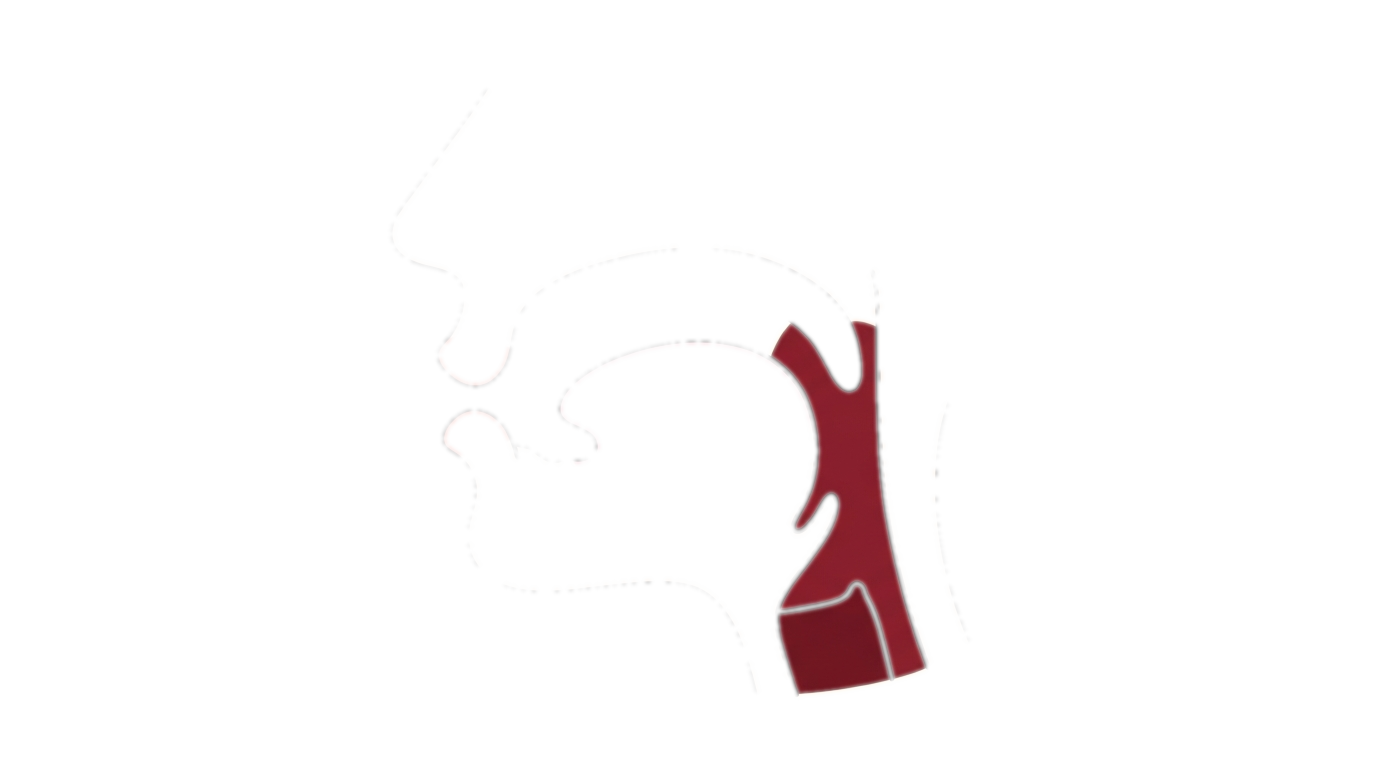
- Glottal (喉音 - ㅇ): Mimics the round shape of the throat.
By adding strokes to these basic shapes (加劃, Gehaek), stronger consonant shapes are derived: ㄱ ➡️ ㅋ, ㄴ ➡️ ㄷ ➡️ ㅌ, ㅁ ➡️ ㅂ ➡️ ㅍ, ㅅ ➡️ ㅈ ➡️ ㅊ, ㅇ ➡️ ㆆ ➡️ ㅎ.
The Three-Way Distinction (Plain, Aspirated, Tense)
Unlike English, which distinguishes voiced/voiceless sounds (e.g., B/P or D/T), Korean obstruents feature a three-way distinction based on glottal tension and air flow:
| Consonant Type | Letters | Articulatory Properties | English Clue |
|---|---|---|---|
| Plain (Lenis) | ㄱ, ㄷ, ㅂ, ㅅ, ㅈ | Lax vocal cords, mild airflow. Voiced between vowels. | Like k in skip or t in stop. |
| Aspirated (Aspirata) | ㅋ, ㅌ, ㅍ, ㅊ | Strong burst of air, vocal cords open. | Like p in pin or t in tall. |
| Tense (Fortis) | ㄲ, ㄸ, ㅃ, ㅆ, ㅉ | Constricted vocal cords, high muscle tension, zero airflow. | Like k in sky or p in spy. |
3. Vowel System & Aperture (모음 체계와 입술·턱 조음론)
Korean features a symmetric vowel system classified by tongue height, tongue position, and lip shape.
The 10 Monophthongs
Monophthongs are simple vowels where the tongue and lips do not shift position during pronunciation:
- Front Vowels (ㅣ, ㅐ, ㅔ, ㅚ, ㅟ): Produced with the tongue pushed forward.
- Back Vowels (ㅡ, ㅓ, ㅏ, ㅗ, ㅜ): Produced with the tongue pulled back.
- Rounded Vowels (ㅗ, ㅜ, ㅚ, ㅟ): Lips are rounded.
- Unrounded Vowels (ㅏ, ㅓ, ㅡ, ㅣ, ㅐ, ㅔ): Lips are flat or relaxed.
Aperture Hacks (Jaw Drop)
Many learners struggle to differentiate pairs like ㅓ and ㅗ, or ㅐ and ㅔ. Use these jaw height rules:
- ㅓ [ʌ] vs ㅗ [o]: For ㅓ, drop your jaw vertically (wide open, flat lips). For ㅗ, keep your jaw nearly closed and round your lips into a tight circle.
- ㅐ [ɛ] vs ㅔ [e]: For ㅐ, drop your jaw lower (about two fingers width). For ㅔ, keep your mouth half-open (about one finger width).
4. Sound Change & Phonological Rules (음운 변동의 과학과 받침 법칙)
Korean pronunciation flows smoothly through a series of natural phonological transformations designed to minimize articulatory effort (ease of pronunciation).
Final Consonant Neutralization (Batchim Rules)
Although 19 consonants can be written in the final position, they collapse into just 7 representative closed stops when spoken at the end of a word or before a consonant:
| Spoken Sound | Written Consonants | Example |
|---|---|---|
| [ㄱ] | ㄱ, ㅋ, ㄲ, ㄳ, ㄺ | 밖 ➡️ [박], 부엌 ➡️ [부억] |
| [ㄷ] | ㄷ, ㅅ, ㅆ, ㅈ, ㅊ, ㅌ, ㅎ | 옷, 낮, 꽃, 밭 ➡️ 모두 [낟] |
| [ㅂ] | ㅂ, ㅍ, ㅄ, ㄿ | 잎 ➡️ [입], 앞 ➡️ [압] |
| [ㄹ], [ㄴ], [ㅁ], [ㅇ] | ㄹ, ㄴ, ㅁ, ㅇ | 발 ➡️ [발], 눈 ➡️ [눈] |
Connected Speech Rules
When syllables are spoken in sequence, their boundary consonants adapt:
- Liaison (연음): A final consonant slides over to a following silent 'ㅇ' vowel slot. E.g.,
한국어➡️[한구거]. - Nasalization (비음화): Obstruents [ㄱ, ㄷ, ㅂ] change to nasals [ㅇ, ㄴ, ㅁ] before nasals [ㄴ, ㅁ]. E.g.,
국물(soup) ➡️[궁물],합니다➡️[함미다]. - Lateralization (유음화): [ㄴ] changes to [ㄹ] when adjacent to [ㄹ]. E.g.,
신라(Silla) ➡️[실라]. - Palatalization (구개음화): [ㄷ, ㅌ] become [ㅈ, ㅊ] when meeting vowel [i]. E.g.,
같이➡️[가치],굳이➡️[구지]. - Tensification (경음화): Plain consonants become tense after obstruent final sounds. E.g.,
학교➡️[학꾜].
5. Particles & SOV Syntax (조사 체계와 한국어 통사론)
Korean is an agglutinative language where grammatical relationships are defined by particles (조사) attached to the end of nouns.
Core Particles Table
| Particle Role | Forms | Usage Condition | Example |
|---|---|---|---|
| Subject | 이 / 가 | 이 after consonant, 가 after vowel | 학생이 (student), 사과가 (apple) |
| Object | 을 / 를 | 을 after consonant, 를 after vowel | 책을 (book), 우유를 (milk) |
| Topic | 은 / 는 | 은 after consonant, 는 after vowel | 이름은 (name), 저는 (I) |
| Location/Time | 에 / 에서 | 에 (static/time), 에서 (active location) | 학교에 가요, 학교에서 공부해요 |
SOV and Flexible Word Order
While the standard word order is Subject-Object-Verb (SOV), the clear labeling provided by particles allows speakers to rearrange words freely (e.g. OSV) as long as the verb remains at the very end.
6. Irregular Verb Conjugations (용언의 불규칙 활용 규칙)
Verb and adjective stems in Korean usually follow regular patterns, but several undergo phonological mutations before vowel endings.
The 7 Irregular Rules
- ㄷ-Irregular: Final 'ㄷ' changes to 'ㄹ' before a vowel. E.g.,
듣다(hear) ➡️들어요. - ㅂ-Irregular: Final 'ㅂ' changes to '우'/'오' before a vowel. E.g.,
춥다(cold) ➡️추워요. - ㅅ-Irregular: Final 'ㅅ' drops before a vowel. E.g.,
짓다(build) ➡️지어요. - 르-Irregular: Vowel 'ㅡ' drops and 'ㄹ' is added to the preceding syllable, yielding 'ㄹㄹ'. E.g.,
부르다(call) ➡️불러요. - ㅡ-Drop: Final 'ㅡ' drops before another vowel. E.g.,
바쁘다(busy) ➡️바빠요. - 우-Drop: Stem vowel '우' drops before '어'. E.g.,
푸다(scoop) ➡️퍼요. - ㅎ-Irregular: Final 'ㅎ' of adjectives drops and the vowel merges before '아/어'. E.g.,
하얗다(white) ➡️하얘요.
7. Orthography & Spacing Rules (한글 맞춤법과 띄어쓰기 규정)
Korean spelling balances phonetics (writing things as they sound) and morphophonemics (preserving the visual shape of base units to maintain reading speed).
Orthography Article 1
"Hangeul orthography shall be written based on standard pronunciation as it sounds, but it shall conform to grammatical principles."
This means while we speak [한구거], we write 한국어 to preserve the base morphemes (한국 = Korea, 어 = language).
Crucial Spacing Rules
- Attach Particles: Noun particles (조사) must always be written with NO space between them and their preceding word. E.g.,
저는 집에서(NOT저는 집 에서). - Space Words: Every other word must be spaced apart.
- Space Dependent Nouns: Nouns that require a modifying verb/adjective before them (의존명사) must have a space before them. E.g.,
갈 수 있다(can go),할 것(thing to do).